
Skilled fitters ensure correct trenching, jointing, alignment, and pressure testing, significantly reducing leak risks and extending long-term overall pipeline lifespan.
Role of Skilled MDPE Pipe Fitters in Leak-Free Installations
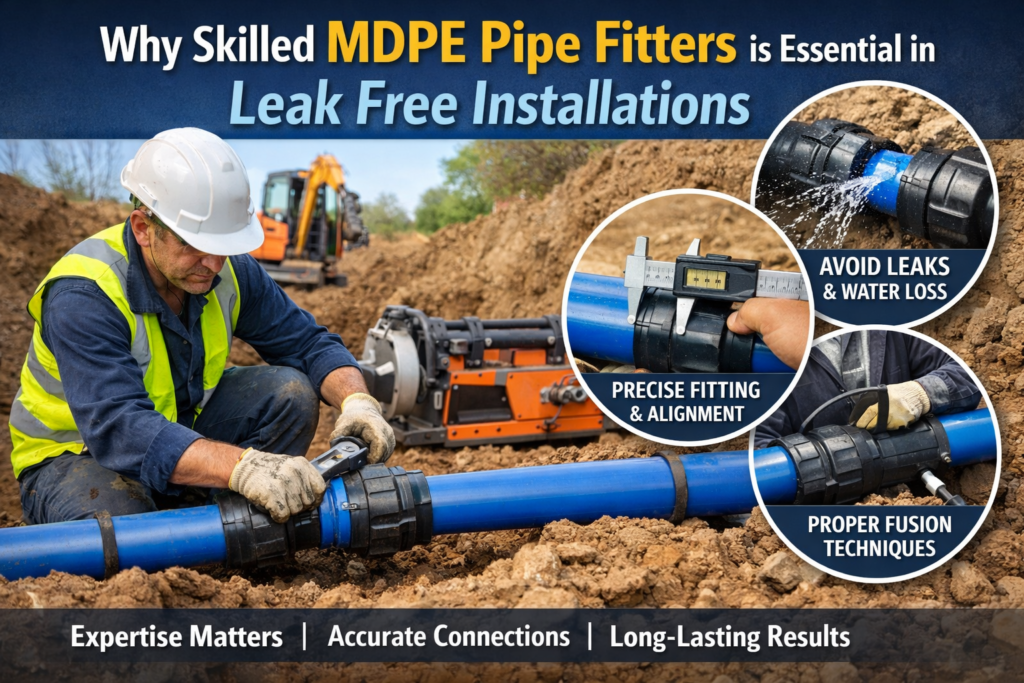
The reliability and durability of modern water supply systems depends on a leak-free installation. In addition to the reliability of the MDPE Pipe (Medium Density Polyethylene) pipe itself, the quality of installation is equally important.
Even the highest quality MDPE pipe may fail if improperly installed. Skilled MDPE pipe fitters are critical to the process of installing MDPE pipe. Professional fitters will ensure that your water distribution system remains leak-free and operating efficiently and reliably for many years to come by providing expertise throughout all aspects of the installation process.
The following is an in-depth analysis of why having expertise when installing MDPE tubing is so important.
Importance of Professional Expertise in MDPE Pipe Installation
The reason MDPE pipes are used throughout municipal water systems, including underground utility and residential plumbing applications, is primarily due to their flexibility and durability. If MDPE pipes are not properly installed, the functionality of the pipes can be affected adversely.
Key Reasons Why Installing MDPE Pipes by a Skilled Installer is Important:
- Ensure proper trenching depth & bedding support to the pipes
- Avoid deformation of the pipe during the backfilling process
- Reduce the likelihood of creating stress points that can lead to future leaks
- Maintain appropriate pressure ratings for the piping system
- Reduce the likelihood of joint failure
Understanding MDPE Material Properties for Proper Handling
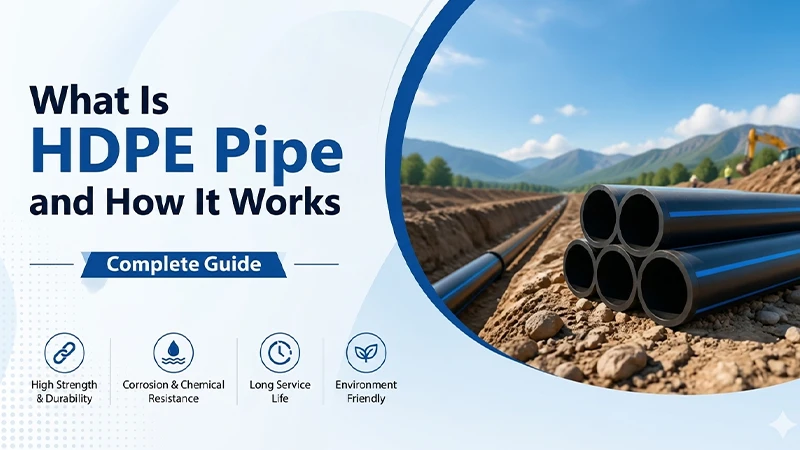
MDPE (Medium Density Polyethylene) pipe is a flexible, corrosion-resistant, and extremely durable material; however, it requires careful handling techniques.
For fitters to properly install MDPE pipe and understand the characteristics of MDPE pipe, they must be familiar with:
- The flexibility and bend radius of MDPE pipe
- The expansion and contraction of MDPE pipe due to temperature changes
- The pressure rating classifications for MDPE pipe (the PN rating)
- The resistance of MDPE pipe to corrosion and chemicals
- The resistance of MDPE pipe to impact when being transported and laid
To prevent MDPE pipe from being bent beyond the allowable bend radius, skilled installers will consider the expansion of the pipe when installing long runs of MDPE pipe. If MDPE pipe is handled improperly during storage or installation, it can create micro-stress that later develops into cracks and/or leaks.
Ensuring Accurate Jointing and Fusion Techniques
One of the most important parts of MDPE pipe installation is how to make connections, which ultimately affects how well the system will function without leaks.
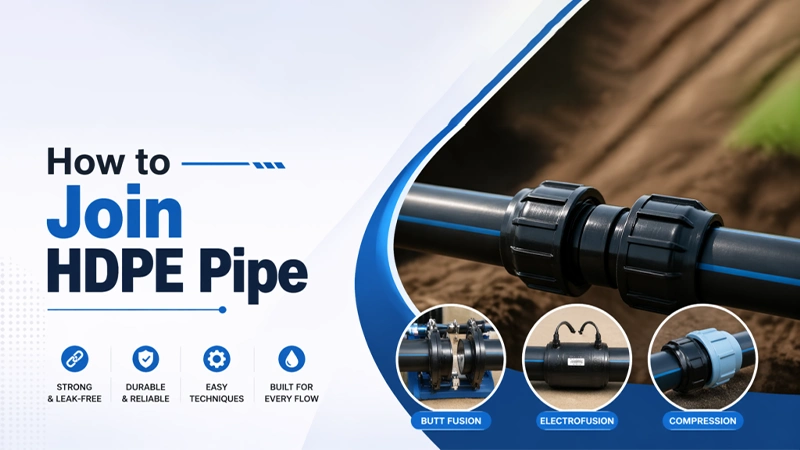
There are many ways to connect MDPE pipes, the most commonly used methods are:
- Compression fittings
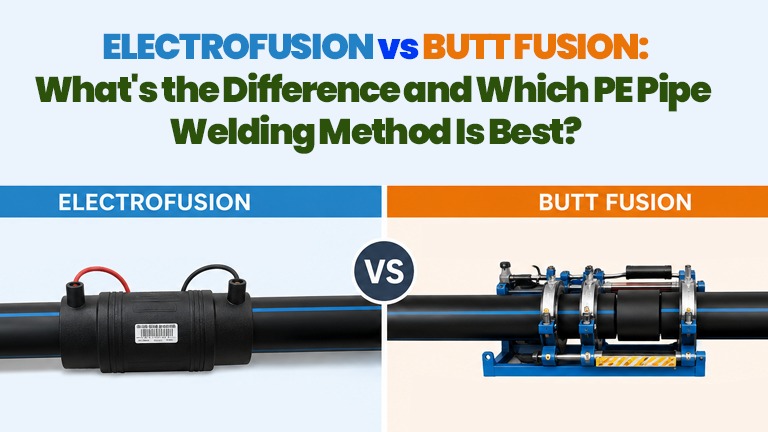
- Butt fusion welding
- Electrofusion welding
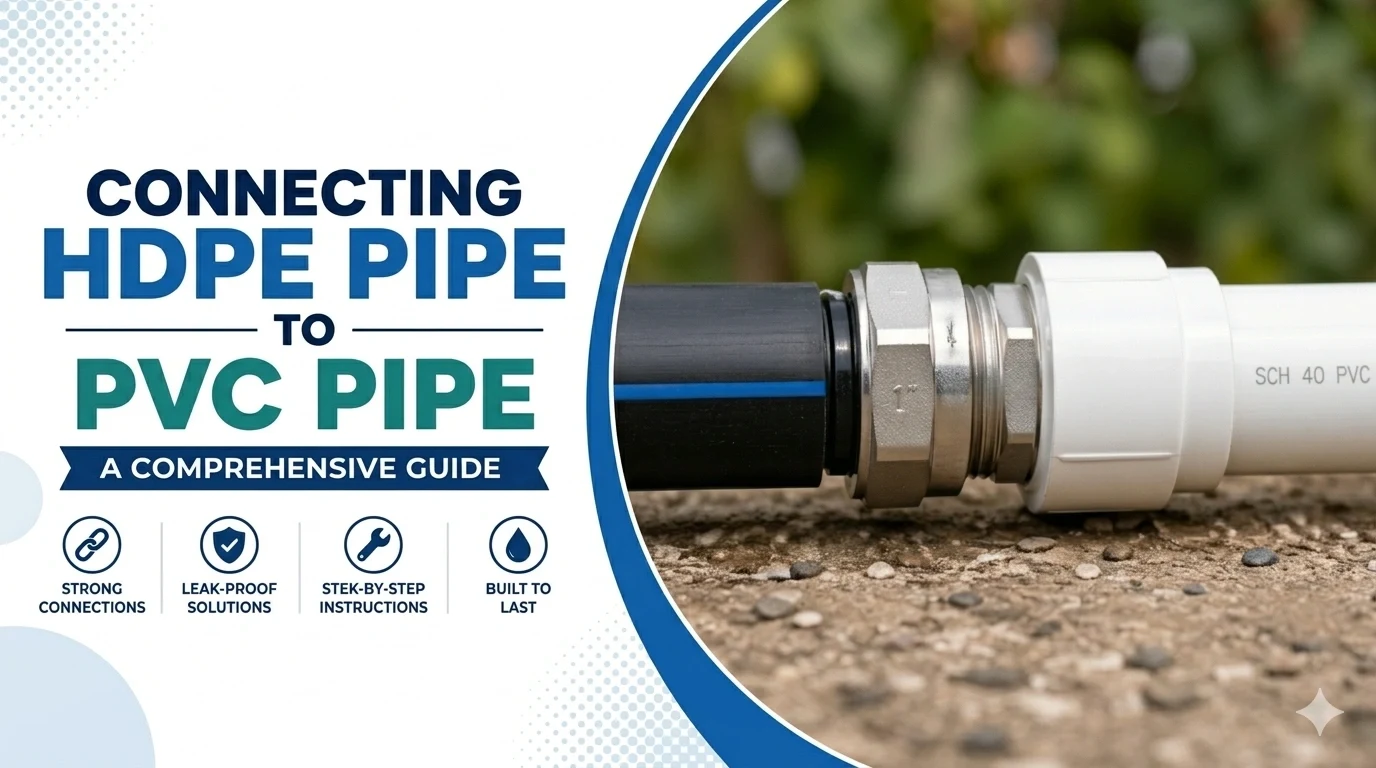
- Mechanical fittings
Each method has certain specifications for the tools needed, heating temperature control and the timing of the different processes. If any of these become uncontrolled, the assembled pipe joint will likely rupture due to failure under pressure.
A Qualified Fitter Should:
- Prepare the pipe ends and clean them as required.
- Maintain the appropriate heating time and cooling time for the fusion process.
- Keep the joint aligned accurately prior to installing together.
- Be free of anything that will contaminate either side of the joint area.
- Be installed sufficiently into the fitting to make the required connection for compression fittings.
Preventing Leakages Through Precision Alignment and Pressure Testing
Installation is just one part of the equation for leak-free systems. Testing will help you complete your project with confidence and integrity.
Once the fitting is complete, a professional fitter will perform hydrostatic pressure testing to ensure that plumbing systems are properly sealed and ready for commissioning.
Leak Prevention Steps:
- Confirm proper alignment of pipes before backfilling
- Fasten fittings to prevent moving due to pressure
- Conduct pressure tests at the appropriate level
- Verify that joints are not leaking at all
- If needed, retest once corrective actions have been taken.
Hidden defect testing is performed through pressure testing on items that cannot be visually observed. Skilled technicians know how long to run tests, what the maximum allowable pressure drop is, and what documentation will be needed.
Compliance with Industry Standards and Quality Control Measures
Several standards have been developed to govern various types of installations. The primary purpose of these installation standards is to promote safe, long-term, and reliable usage of a particular product. Qualified Mdpe Pipe Installers have knowledge of both national as well as international installation standards.
Compliance with Applicable Installation Standards Includes:
- Trench Dimensions per recommended specifications
- Depth of pipe cover as required
- Use of certified fittings & tools
- Compliance with manufacturer`s fusion specifications
- Proper documentation and inspections
If compliance did not occur, then penalties could occur, or water leakage, or damage to the environment, or failure of infrastructure could occur.
To address all applicable installation standards, a team of professionals conducts on-site quality checks during various installation phases such as Pipe Inspection, Pipe Completion and then Commissioning.
FAQs
Why are skilled MDPE pipe fitters important?
What happens if MDPE pipes are installed improperly?
Improper MDPE handling can cause micro-cracks, stress points, joint misalignment, and pressure failures that eventually result in costly water leakages.
Why is fusion technique critical in MDPE installation?
Electrofusion and butt fusion require controlled heating, precise timing, clean pipe surfaces, and accurate alignment to create durable leak-proof joints.
Why is pressure testing necessary after installation?
Pressure testing verifies joint integrity, detects hidden defects, confirms system strength, and ensures compliance with safety and industry installation standards.