Essential Tips for Choosing MDPE Water Supply Pipes for Your Project

Water supply systems are essential plumbing elements to consider in any construction project, no matter how large or small. The water lines you install will provide years of service to your building, whether it is a residential structure, an agricultural plot of land, or an industrial setting.
Poor choices in piping material can lead to leaks, loss of pressure, the introduction of contaminants into the distribution system, or costly repairs in the future. A reliable, flexible, and cost-effective means of delivering potable water to consumers is the use of MDPE pipes (Medium Density Polyethylene).
Not all MDPE pipes are created equal; therefore, selecting an appropriate type requires careful consideration of technological specifications, environmental conditions, and long-term value to the end user. This guide provides helpful hints on how to choose the best MDPE pipes for your project, ensuring safety, reliability, and efficiency throughout the life cycle of your system.
Understand MDPE Pipe Grades and Pressure Ratings
Different grades and pressures of MDPE pipe have been developed for particular applications. Knowing about these technical specifications will assist in your buying decision. The pressure ratings of the MDPE pipe variety are as follows: PN 6, PN 8, PN 10, and PN 12.5.
High-pressure-rated MDPE pipe is ideal for:
- Municipal water systems
- High-rise buildings
- Industrial water distribution
Low pressure-rated MDPE Pipe may suffice for:
- Irrigation systems
- Low-pressure domestic service lines
Having the correct grade of MDPE pipe will enable the pipe to withstand the internal pressure of the water without deformity or failure over a long period of time.
Choose the Right Pipe Diameter for Optimal Water Flow
Water flow, pressure stability, and system efficiency are all directly impacted by the diameter of the pipe. If the wrong diameter is selected, performance can be subpar and/or the project will incur additional costs.
When determining the appropriate diameter for a pipe, consider the following:
- How much water is needed for the entire project?
- How many outlets/fixtures will be used?
- How far apart is the water source from where it is being used?
- Will there need to be any future expansions?
Helpful tips:
- Smaller diameter pipes may cost less but can also cause reduced flow.
- Oversized pipes increase material costs, providing no additional benefits.
- Always do the hydraulic design calculations or have them done by a qualified individual.
Properly sized MDPE pipes will create reliable water service by maintaining consistent pressure and reducing energy losses.
Check Compliance with Indian Standards and Certifications
Water supply systems must always prioritize quality and safety. MDPE pipes must meet established standards to create a safe water distribution system and safe structure, particularly for potable water.Each Projects has unique requirements, and after knowing the Different Colors of MDPE Pipe helps contractors quickly identify.
For compliance, look for:
- Polyethylene pipes for water supply, IS 4984 Indian Standard
- Bureau of Indian Standards (BIS)
- Manufacturer’s test report and quality assurance documentation
Why certification is important:
- Pipes are suitable for transporting drinking water
- Pipes are resistant to chemical and corrosion degradation
- Pipes are less likely to experience premature failure
Using certified MDPE pipes protects public health and the project’s investment.
Evaluate Environmental and Installation Conditions
While MDPE pipe fittings are highly flexible materials, the conditions under which they are installed greatly affect their performance and lifespan.
For example, several factors must be considered when assessing the type of environment in which MDPE pipe will be placed:
- The type of ground the pipe will be placed in (rock, sand, or clay)
- The level of groundwater
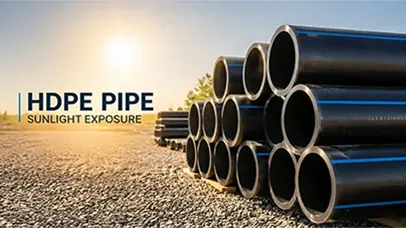
- The exposure levels to sunlight (UV)
- Temperature fluctuation
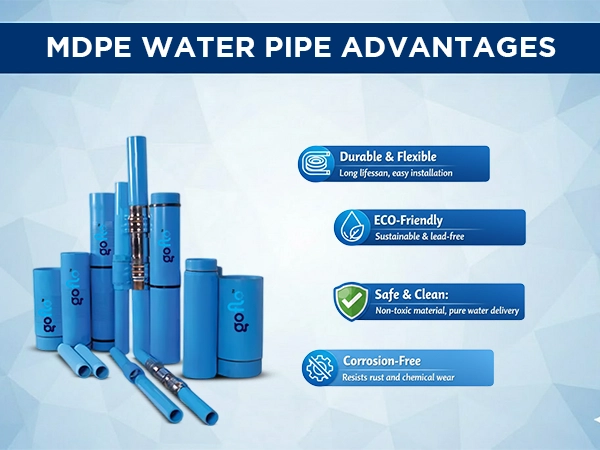
The benefits of using MDPE pipe fittings include:
- High flexibility allows for fewer connections
- High corrosion resistance and resistance to chemicals found in soil.
- Capable of being installed using trenchless installation techniques.
Performing a proper assessment of the factors that influence the local environmental conditions where MDPE pipe fittings will be installed will ensure that the appropriate MDPE pipe fittings are selected so that they can perform successfully when installed.
Consider Pipe Flexibility and Jointing Methods
MDPE pipe flexibility allows for a quicker installation, faster connection, and many fewer places to leak than a rigid piping system. Therefore, this reduces overall project time and cost, saving money for both contractors and customers.
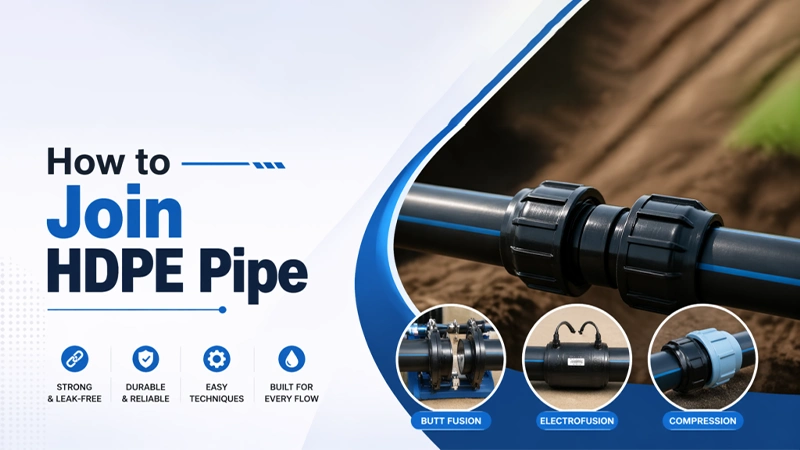
Some common jointing methods include:
- Compression fittings
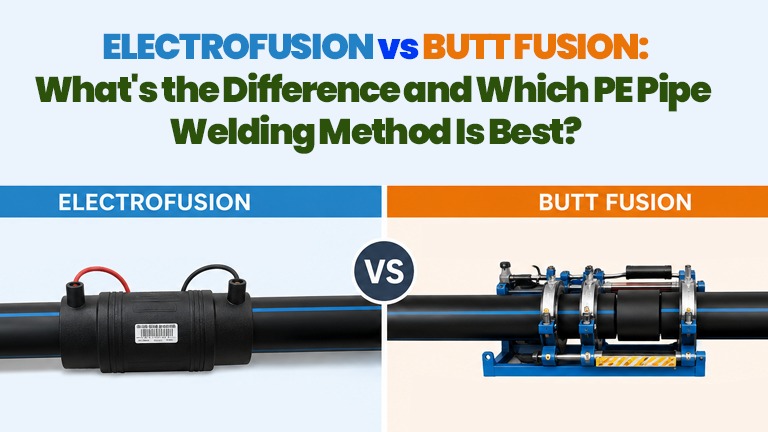
- Butt fusion joints
- Electrofusion joints
Some of the benefits of using flexible tubing are:
- Ability to curve or bend around obstacles
- Lower chance of cracking due to shifting soil/ground conditions
- Reduced number of joints compared to rigid piping systems
The right jointing method will guarantee leak-free connections and maintain the integrity of the entire system for the long term.
Final Words
MDPE water pipes are crucial for housing projects, as the whole water management system depends on them. The owners must be picking the appropriate pipes to ensure a smooth water supply.
These pipes need to meet all the domestic and international standards and should be environmentally friendly. Consider reaching out to specialized MDPE services like GoFlo, as they can make this whole process a lot easier for you.