
MDPE pipes are durable, flexible, corrosion-resistant, and affordable, making them ideal for growing cities needing reliable and cost-effective water distribution systems.
Cost-Effective MDPE Installation Strategies for Tier-2 Cities
Due to the strength and flexibility of Medium Density Polyethylene (MDPE) piping, it has become one of the most commonly used types of pipe in water distribution systems today.
Municipalities continue to grow on Tier 2 Cities that require the addition of new infrastructures, therefore municipalities are seeing the need for piping systems that provide long-term performance without any high installation or maintenance costs.
While traditional building materials such as metal or concrete typically require more labor than MDPE pipes due to their added weight and expense, MDPE pipes also require minimal jointing and routine maintenance after installation.
Selecting the Right MDPE Pipe Specifications for Cost Efficiency
Making a proper choice on the specifications of pipes is very important to controlling your installation costs and ensuring that the piping system is reliable for years to come. Choosing pipes that are the wrong size or have the wrong pressure ratings will result in additional expenses or problems with operating the system properly.
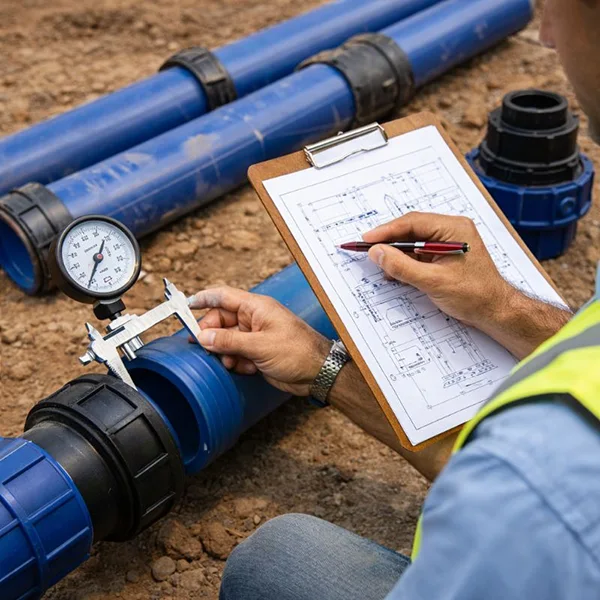
When choosing MDPE pipe diameter and wall thickness, it is necessary for engineering professionals to determine average water demand, total required pressure, and any environmental conditions that may be present. Choosing the correct size of pipe will ensure the piping system has maximum efficiency and will not be over-designed.
The major considerations in the selection of MDPE pipes are as follows:
- Selection of the pipe diameter: The proper size or diameter will minimize pressure losses and reduce the amount of energy required to pump.
- Pressure rating (PN rating): The proper pressure rating will ensure safety and provide material cost savings.
- Quality of materials: The use of high quality MDPE pipe will improve pipe durability and reduce repair costs for the long term.
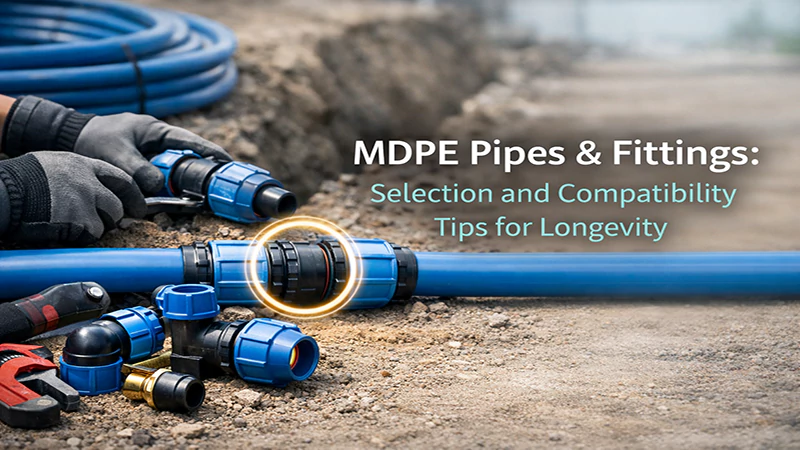
- Compatibility of fittings: It is critical that the pipes will function properly with the valves, connectors, and joints that are used within the distribution network.
Efficient Trenching and Installation Techniques to Reduce Costs
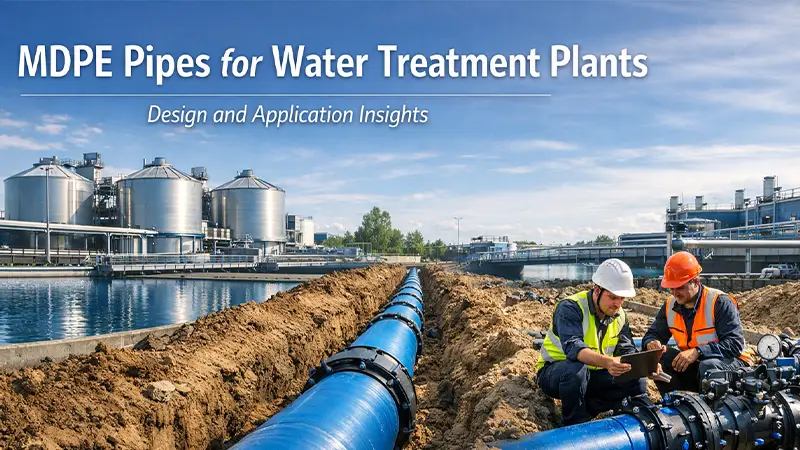
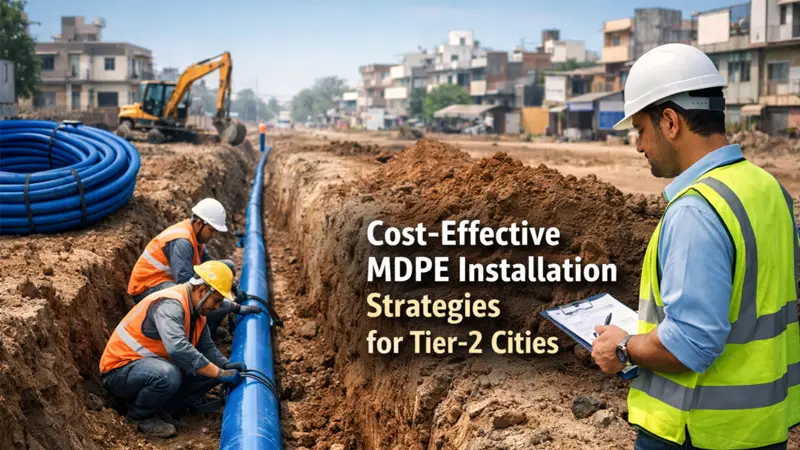
How pipelines are installed can have a direct impact on the overall cost of the project. Trenching and installation of the pipeline infrastructure can help to reduce the amount of labour, equipment and time to complete the construction.
The flexibility and light weight of MDPE pipe make it easier and quicker to install compared to a rigid pipe material. Contractors have the ability to use longer lengths of pipe with fewer joints, which results in lower labour and material costs.
Some of the cost effective installation practices are as follows:
- Narrow trench excavation: MDPE pipe can be installed in much smaller trench widths compared to rigid pipeline, which reduces the excavation cost.
- Long pipe coils: Using longer lengths of pipe helps to reduce the number of joints and connection points required.
- Efficient jointing methods: Heat fusion and/or compression fittings provide a secure joint with minimal chance of leakage.
- Minimal use of heavy machinery: Because MDPE pipe is lightweight; it is easier to manually handle and requires less equipment.
Optimizing Logistics and Material Management for MDPE Projects
When planning a project’s material transport and storage, there are several ways to manage your budget and reduce expenses related to those activities. Specifically in developing cities, logistical issues with transporting and managing materials may increase your overall costs (possibly dramatically).
The proper coordination of all phases of a project is what will allow you to deliver and handle MDPE materials with maximum efficiency and cost-effectiveness. Generally speaking, MDPE pipes are generally much lighter than other types of pipes.
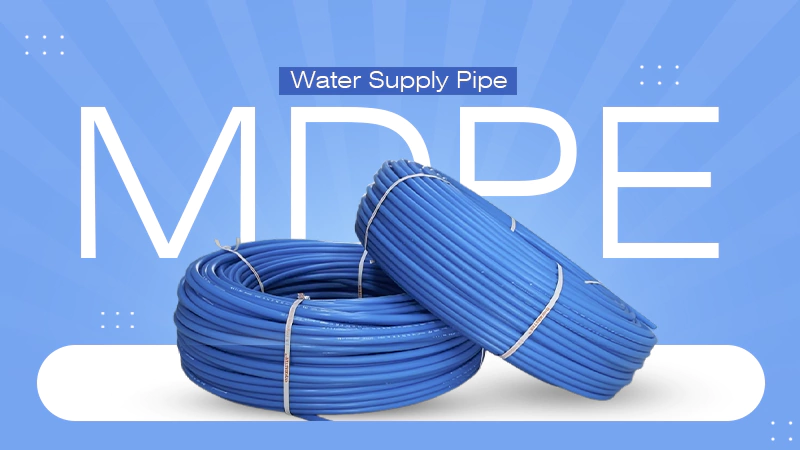
The fact that they are typically supplied in long coils or straight lengths substantially increases their capacity for transportation versus other materials. Which means lower transportation costs and fewer trips needed to transport the same number of MDPE pipes.
You can reduce your overall material costs on a project through the following effective management strategies:
- Bulk purchasing of pipes (larger quantities) will usually reduce the cost per unit of material.
- Planning your transportation of lightweight MDPE pipes efficiently (how much can you carry in each vehicle?).
- Storing MDPE pipes under proper conditions (out of direct sunlight and protected against damage) will preserve the quality of the pipes until they are installed.
- Scheduling projects so that pipe delivery occurs prior to construction activity will minimize delay-related costs associated with storing materials.
Conclusion
MDPE’s cost-effective installation strategies assist Tier 2 cities in developing reliable and sustainable water distribution systems. As municipalities grow rapidly, they need to develop infrastructure solutions that will be reasonable and long-lasting at the same time.
Compared to typical pipe materials, MDPE (Medium Density Polyethylene) pipelines have significant advantages because they do not corrode; they are more flexible than conventional materials; they require fewer installation engineer representatives.
When effectively employing these strategies, MDPE pipelines are practical and suitable for cities as they expand and modernize their water infrastructure.
FAQs
Why are MDPE pipes suitable for Tier-2 cities?
How do MDPE pipes reduce installation costs?
Their lightweight structure, flexible design, and longer pipe lengths reduce trench size, labor requirements, installation time, and overall construction expenses.
What factors affect MDPE installation costs?
Pipe diameter, pressure rating, trenching methods, transportation logistics, and labor efficiency significantly influence the total installation cost of MDPE pipelines.
How long do MDPE pipelines typically last?
Properly installed MDPE pipelines can last more than fifty years, providing durable and low-maintenance water distribution infrastructure for municipalities.