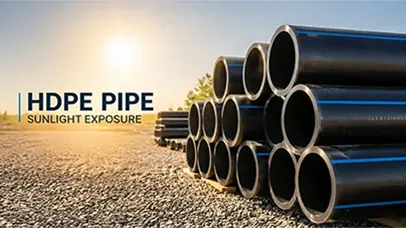

MDPE pipes are commonly used in municipal water supply systems, irrigation networks, and underground water distribution pipelines.
Future of Water Infrastructure: Role of MDPE Pipes in Sustainable Systems
The water industry is undergoing a complete change. Cities and industries are implementing new sustainable and efficient methods to deliver water. With large populations, climate change, and evolving demands for reliable delivery systems, it is critical to focus on developing modern infrastructure solutions.
One of the materials that will be key to this transition is MDPE (Medium-Density Polyethylene). Due to its durability, flexibility, and corrosion resistance, MDPE piping is used in numerous water distribution projects worldwide.
Both governments and urban planning departments view the development of sustainable infrastructure as a priority; therefore, MDPE piping will serve as a building block for the creation of long-lasting, efficient, and environmentally sustainable water delivery systems.
Growing Demand for Sustainable Water Infrastructure
The global urbanization process is causing water infrastructure to change rapidly as cities and industry move towards more sustainable and effective practices. Due to population growth, climate change, and a growing need for reliable municipal water systems, creating new infrastructure solutions for water delivery is vital.
A key material used in this transition is MDPE (Medium Density Polyethylene). MDPE is used extensively outside the USA as a result of its incredible strength, flexibility, and resilience to corrosion.
Many US cities are now recognizing the benefits of MDPE pipe systems in their water distribution projects due to changes within local and national governments as well as increased attention on creating sustainable building materials.
When you know how to choose MDPE fittings for long-term system efficiency, it will be easier to pick the right parts.
Advantages of MDPE Pipes in Modern Water Distribution Systems
The increasing number of MDPE pipe installations being made throughout today’s water infrastructure industry can be attributed to the many features associated with them; making them very advantageous compared to conventional type-plastic pipe installations.
The flexibility of MDPE pipe is one outstanding advantage that they possess over other conventional pipe types. MDPE pipes have the ability to move and adapt to ground shifting and the effects of temperature changes in the environment without cracking or breaking.
This flexibility to adapt makes MDPE pipes ideal in those situations where varied soil conditions and changes in temperature affect underground pipelines. Many industries use MDPE installation services in India for big projects to make sure everything is set up correctly and works well for a long time.
There are four main reasons why MDPE pipe is gaining increased popularity among water system users:
Excellent flexibility
MDPE pipes can bend safely, which minimizes pipe breakage when being place into position and when ground movement occurs.
Corrosion-free
Unlike conventional metal pipes, MDPE pipes will not corrode or rust due to the presence of either moisture from the soil or chemicals in the soil.
Lightweight
The lightweight nature of these pipes greatly aides in transporting and installing MDPE pipes in a lower cost format as compared to other types of conventional pipe.
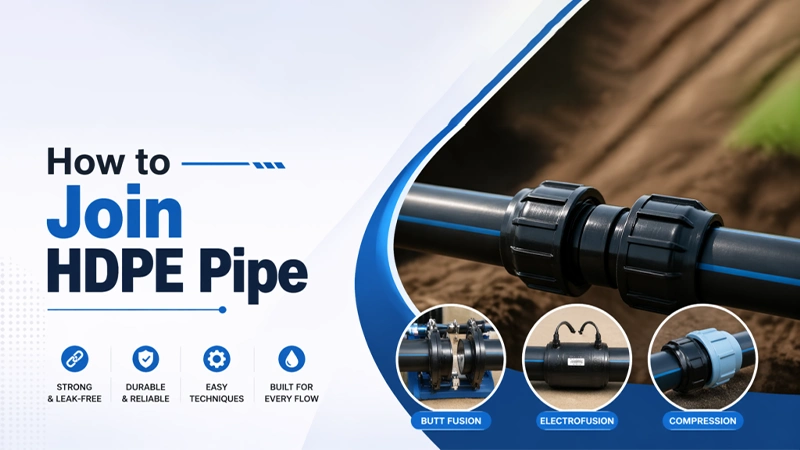
Leak-Free Joints
State-of-the-art techniques for joining together the individual sections of MDPE pipe is helping to insure a reduction in water leaks from those joints helping to maintain an efficient flow of water through the system.
Longevity
With a minimal amount of required maintenance, MDPE pipeline installations are able to continue for decades.
Following MDPE maintenance tips on a regular basis in water distribution networks is important for keeping things running smoothly and avoiding system failures.
Environmental Benefits of Using MDPE Pipes
As sustainability is seeking to be a priority in infrastructure development, the use of MDPE pipes has been and is a big step towards helping make the water distribution systems environmentally friendly. With their long service life and low maintenance, MDPE pipes also have a very low environmental impact when compared to the other materials used in water distribution networks.
When compared to traditional piping materials, MDPE pipes require fewer replacements and repairs, resulting in less requirement for raw materials and energy over time.
Environmental benefits associated with these pipes are:
- Reduced water leakage
- Strong joints and materials have helped to minimize the loss of water through the distribution system.
- Installation requires low energy consumption
- Lightweight pipe requires less heavy equipment/fuel to transport and install.
- Recyclable materials
- Minimal reaction with water
- Long Service Life
With all the benefits of MDPE piping systems, they are an environmental choice for cities looking to decrease the ecological impact of their infrastructure projects.
Role of MPE Pipes in Smart and Resilient Water Networks
The growing trend toward smart technology and resilient design techniques reflects a strong connection between water infrastructure and the future of water systems. A key component of smart water networks involves an efficient distribution system of pipes along with monitoring systems and advanced management tools that will allow for optimized regional distribution of water and reduced losses.
MDPE (Medium Density Polyethylene) piping systems are essential components of these modern water systems as they deliver durable performance and compatibility with new technologies used behind the scenes in the management of our water supply system.
The main contributions of MDPE piping systems in the development of smart water infrastructure include:
- Support for leak detection devices, as modern leak detection devices can be integrated into MDPE piping systems easily.
- Improved durability in extreme conditions, due to the inherent flexibility of MDPE materials that help to resist ground movement, pressure changes, and extreme temperature changes.
- Reduced maintenance costs because the reliability of the MDPE piping system decreases the need for repair or replacement.
- Compatibility with new methods of installation.
- Efficient long distance distribution of potable water because the smooth inner walls of MDPE piping systems allow for consistent water flow with minimal friction loss.
As cities continue to move toward implementing digital monitoring systems and automated technologies into their water infrastructure, MDPE pipe systems will provide the necessary flexibility and durability to ensure continued support for water management.
Conclusion
The future water infrastructure will depend on sustainable, durable, and efficient systems to meet the growing population and environmental challenges of today. With their flexibility, corrosion resistance and long-term life, MDPE Pipes are a critical element of this transformation.
In addition, MDPE Pipes reduce water lost through leaking pipes by providing the ability to support modern pipe-installation techniques and integrate with smart water management technologies, making them particularly well-suited for next-generation infrastructure projects. MDPE water treatment pipes are also used in modern infrastructure where they need to be strong and resistant to chemicals.
As government and industry continue to invest in sustainable development and, MDPE piping systems will contribute to the creation of resilient water distribution networks. By utilizing materials such as MDPE for building water systems, we will create reliable and environmentally responsible cities, creating a cleaner world for the future.
FAQ
What are MDPE pipes used for in water infrastructure?
Are MDPE pipes environmentally friendly?
Yes, MDPE pipes are recyclable, durable, and help reduce water leakage, making them a sustainable infrastructure option.
How long do MDPE pipes last in water systems?
When properly installed, MDPE pipes can last 40–50 years or even longer.
Can MDPE pipes support smart water networks?
Yes, MDPE pipelines are compatible with monitoring sensors and leak detection technologies used in smart water management systems.
Why are MDPE pipes preferred over metal pipes?
MDPE pipes are lighter, corrosion-resistant, flexible, and require less maintenance compared to traditional metal pipelines.