
Ans: No, HDPE cannot be glued like PVC. Special fittings or mechanical connections are required.
How to Connect HDPE Pipe to PVC Pipe
When connecting High-Density Polyethylene Pipes (HDPE) and Polyvinyl Chloride (PVC) pipes, it is important to understand that both materials have different properties, HDPE is flexible, whereas PVC is rigid.
Therefore, using proper fittings and connections will ensure the two types of pipes are securely fastened together and will not leak. Connections made properly will provide smooth flow of fluids and will prevent leaks, pressure loss, and possible future issues.
It is necessary to have the proper procedures and materials when trying to create a sustainable and operational joint between HDPE and PVC piping systems.Consider Smart Water Management for efficient water supply systems.
Methods to Connect HDPE Pipe to PVC Pipe
Depending on the type of installation and the requirements for connections as a result of pressure, there are several viable strategies for making the connections between HDPE and PVC pipe.
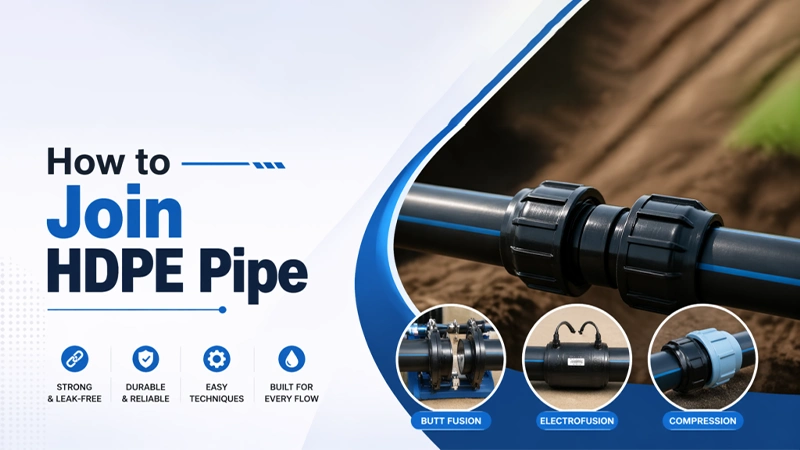
- Mechanical Coupling: These types of connections use standard mechanical couplings, which can include rubber gaskets and clamps to provide a secure connection between both pipe systems, that can easily be installed without special tools.
- Flanged Connections: This system uses fastened connections to join a flange from an HDPE pipe to a flange from a PVC pipe together. The physical connection point of the two materials is in the form of a gasket located in between both flanges.
- Therefore, these types of flanged connections can be unfastened and re-fastened without compromising the integrity due to cracks or leaks, making them a desirable connection choice for high-pressure systems.
- Transition Fittings: The use of transition fittings can connect an HDPE pipe directly to a PVC pipe and can accommodate the different stress (behavior) of both materials.
- Compression Fittings: This method uses compression rings that create a tight seal to connect HDPE and PVC in a smaller pipe size or a lower-pressure pipe system.
Each of the above methods presents advantages and disadvantages, therefore, it is necessary to consider factors such as the diameter of the pipe. The amount of pressure, and the conditions under which they will be installed before a decision is made regarding which method will be used.
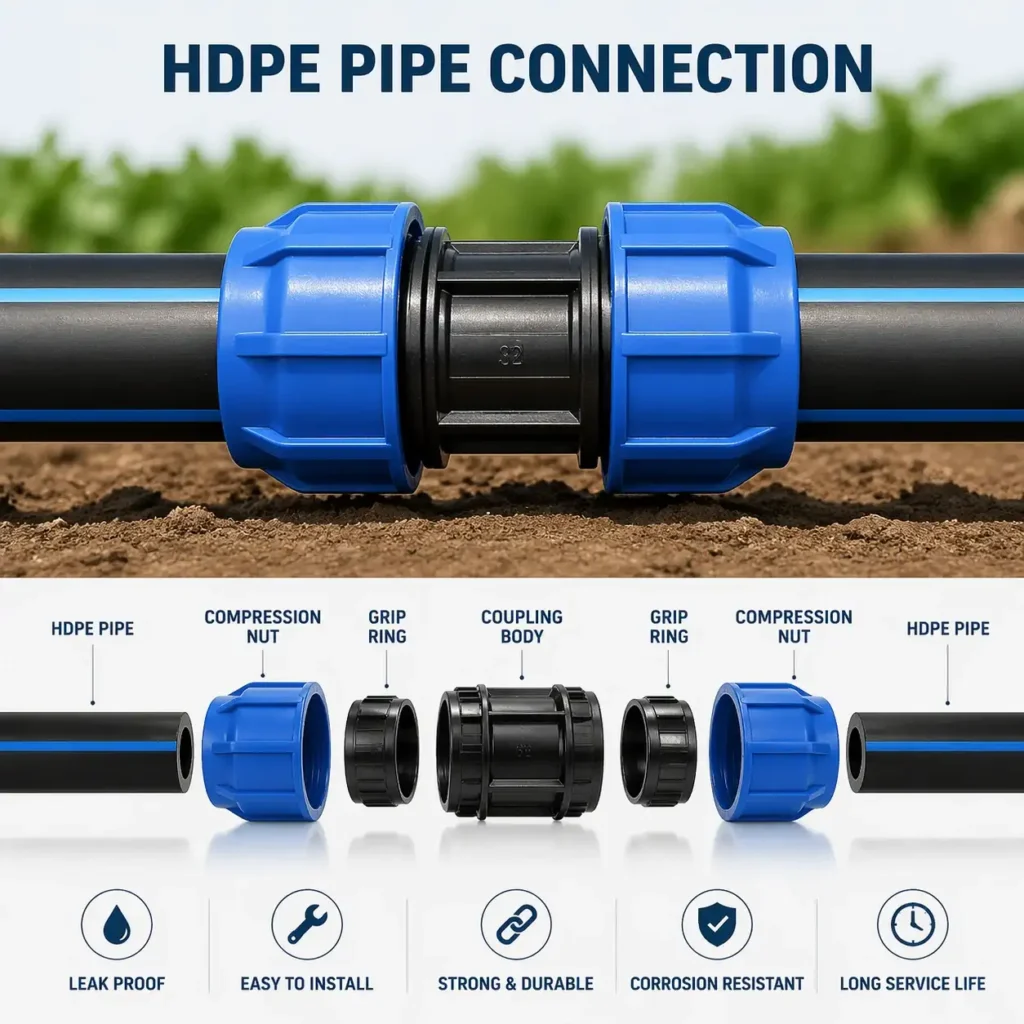
Tools and Materials Required for the Connection
To ensure an easy installation, you should have all the appropriate tools/equipment before starting the connection procedure.
Pipes/Connections
- HDPE or PVC Pipe: Plus standard connector/couplings to be used with either type of pipe.
- Rubber Gasket or Seal: Used to create leak-proof connections.
- Wrenches/Spanners: Needed to securely tighten bolts & fittings.
- Pipe Cutter / Pipe Saw: Used to cleanly cut pipe to length.
- Measuring Tape & Marker: Necessary to accurately measure the length of pipe to be cut.
- Lubricant: Used to aid in inserting pipes into connectors & to avoid damaging the seal.
- Cleaning Cloth: Required to remove any dirt, debris, or moisture from the connection before making the joint.
Having the proper equipment will not only simplify the process but will also provide a stable long-term joint. Ensure proper hdpe pipe installation services in delhi for secure connections.
Common Mistakes to Avoid During Installation
When joining HDPE and PVC pipe, there are several simple mistakes that may result in leaks or weak joints if they do not get made in the right way.
- Using the wrong fittings:
Only use fittings made for either HDPE or PVC, otherwise the joint will not hold correctly.
- Not cleaning piped ends:
Any dust or moisture located on the ends of the pipes will inhibit a proper seal and may cause a leak.
Too much tightening: If you tighten your connection too much, you could cause damage to the pipe or connections instead of creating a stronger joint.
- Poor Alignment of Piped ends:
When you have pipes out of alignment they will create a weaker joint over time.
- Not testing:
Testing your connections for leaks will prevent you from having any issues in the future.
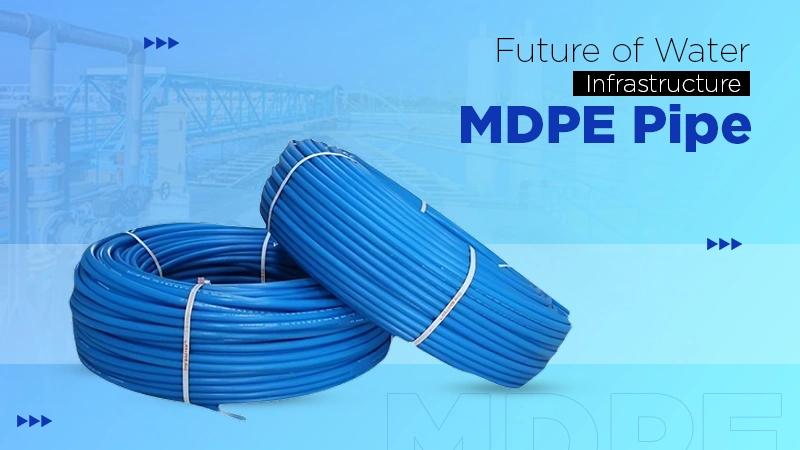
Avoid using wrong fittings, instead opt for MDPE Pipes & Fittings.
Conclusion
When attaching HDPE Pipe to PVC Pipe you will need an appropriate set of methods, tools, and installation techniques to ensure a proper connection between these two types of pipe. Since both pipe types exhibit different physical qualities, the use of different types of fittings such as mechanical couplings, flanges, and transition fittings will be necessary to obtain a reliable connection.
In addition, proper preparation to ensure that the two pieces are clean, measured, and aligned is critical in creating a leak-proof joint. Following the recommended step-by-step procedures and avoiding typical pit latrines will result in a long-lasting and efficient piping system.
Explore Sewage Treatment Plants for effective wastewater management.
FAQs
Q: Can HDPE pipe be directly glued to PVC pipe?
Q: What is the best method to connect HDPE to PVC?
Ans: Mechanical couplings and flange connections are the most commonly used and reliable methods.
Q: Are transition fittings reliable for HDPE to PVC connections?
Ans: Yes, they are specifically designed to handle differences between the two materials and provide secure connections.
Q: Do I need special tools to connect HDPE and PVC pipes?
Ans: Basic tools like wrenches, cutters, and measuring tape are usually sufficient for most methods.
Q: How do I ensure the connection is leak-proof?
Ans: Use proper fittings, ensure clean pipe ends, install gaskets correctly, and always test the connection after installation.