
Ans: MDPE pipes are commonly used for water supply, gas distribution, irrigation systems, and underground utility pipelines due to durability and flexibility.
Advantages of Professional MDPE Installation Services in India
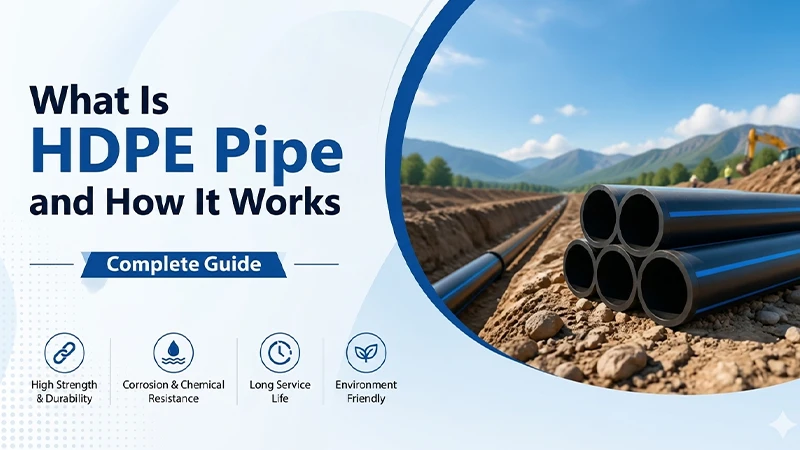
India uses MDPE (medium density polyethylene) pipes widely for its water supply, gas distribution, and underground utility needs because they offer a high degree of flexibility, are resistant to corrosion and are very durable.
The overall performance of MDPE pipes depends on how well they are installed; improper installation may result in leaks, pressure problems, and costly repairs over time.
When professionally installed, MDPE pipelines are installed according to proper methods, utilizing specialized tools and trained personnel. Professionals adhere to safety standards, accurately plan the installation site, and perform all pressure-testing procedures necessary to provide reliable service.
Using the services of professional installers provides businesses and homeowners with the assurance they need that their MDPE pipe systems will provide effective, safe and low maintenance service for years to come.
Read about the importance of skilled MDPE pipe fitters before starting your project.
Ensures Compliance with Safety and Regulatory Standards
To safeguard against the potential for leakage, contamination, or damage to infrastructure from pipelines, stringent engineering standards and safety regulations are imposed by the Government of India on all pipeline installations.
A qualified installer will be well versed in municipal regulations, building codes, and safety practices as they pertain to the installation of underground pipelines in India. They will know the proper trenching depth, will be experienced in joint welding specifications, will perform pressure testing in compliance with required procedures, and will be aware of the environmental safeguards that are necessary.
Some of the advantages of complying with these regulations include:
- Compliance with municipal and utility guidelines for the installation of water and gas pipelines
- Compliance with environmental safety standards, thus preventing the contamination of groundwater
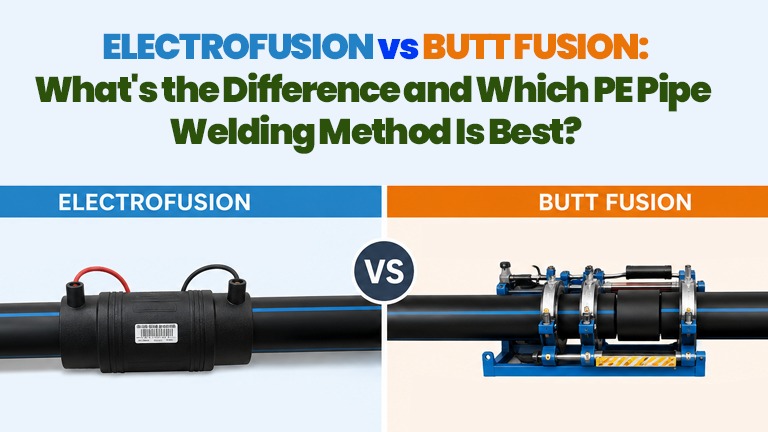
- Proper installation of pipe joints using methods such as electrofusion or butt fusion welding
- The performance of proper pressure testing procedures to ensure the safety and reliability of the pipeline system
- Certification and documentation consistent with large infrastructure projects.
Check out this detailed MDPE pipes guide for water supply systems.
Accurate Planning and Leak-Proof Installation
Hiring a professional to install an MDPE pipeline gives the advantage of planning thoroughly. Planning for a successful MDPE pipeline installation includes route mapping, pipe sizing, and determining proper pressure calculations for the installation to perform at its optimal level.
Prior to beginning the installation, a professional will conduct a site assessment of the area to analyze the soil conditions, identify any underground obstructions, and determine the amount of water pressure required at the site in order to establish the most beneficial pipeline layout.
Key factors to consider when professionals plan the installation of an MDPE pipeline include:
- Comprehensive site surveys that help locate underground utilities and obstructions
- Planning for the correct water or gas pressure by establishing the proper routing of the pipeline
- Accurate cutting and joining of the pipe to eliminate points of leakage
- Preparing the trench appropriately and backfilling to ensure there is no potential for damage to the pipe
- Conducting pressure tests prior to activating the system to check for possible defects
By accurately planning the installation of an MDPE pipeline, an MDPE pipeline will operate effectively and reduce the chance of costly repairs due to improper installation processes.
Here’s a simple guide on MDPE pipes for safe drinking water.
Use of Specialized Tools and Trained Technicians
MDPE pipeline installation requires specialized tools, along with properly trained technicians who are knowledgeable in modern joining techniques and installation methods. Professional pipe installers also use the appropriate equipment that is designed especially for polyethylene piping systems.
In addition, the technicians that perform professional pipe installation are experts in the use of fusion welding techniques, such as butt fusion and electrofusion. These methods create strong, leak-free joints between MDPE pipes and are often said to be stronger than the pipe itself when completed correctly.High-quality mdpe pipe fittings improve connection strength.
Tools typically used by professional pipe installers include:
- Electrofusion welding equipment to create consistent joint connections
- Butt fusion equipment to create mechanically strong & leak proof joints between pipes
- Pipe clamps to assure accurate pipe alignment during installation
- Pressure test equipment to validate system integrity
- Trenching & excavation equipment to install pipes in a safe & efficient manner underground
Experienced technicians are aware of all installation best practices as well as how to properly handle pipes, the effects of temperature on pipe installations and how to align pipes correctly. All of these factors result in an efficient installation process and the final system performing as specified.
Read this before deciding is MDPE better than HDPE.
Long-Term Durability and Reduced Maintenance Costs
Although pipelines made of MDPE have a long lifespan, they may be less durable when installed improperly. Professional installation helps to ensure that the pipeline remains in good working order and will remain so for many years.
When pipelines are installed correctly, they will have fewer leaks, failures due to pressure, or structural damage. This results in a reduction in maintenance and disruptions to operations. Businesses and property owners can take advantage of lower repair costs for pipelines with longer service lives.
To improve the long-term performance of MDPE pipelines, professional installation ensures:
- Correct alignment of pipe to avoid stress and deformation
- Joints that are securely connected to avoid leaking and changes to pressure
- Proper trench depth to protect the pipe against loads from above
- Protection from environmental damage and soil movement
- Consistent pressure distribution throughout the pipeline system
These items will increase the longevity of the operation of a pipeline and create a cost-effective investment by using professionals for installation.Professional mdpe pipe service helps maintain long-term efficiency.
Conclusion
The use of Professional MDPE installation services is critical in providing a safe, trustworthy and durable pipeline system in India. Professional MDPE installers, whether performing new installations or performing maintenance and repair activities on existing installations.
It provides significant advantages in assisting with the regulatory compliance, accurate planning, and use of current state-of-the-art installation techniques to minimize risk when it comes to Underground Pipeline Projects.
Properly installed MDPE pipelines are inherently stronger and leak resistant, as well as being more efficient during operation over time, than improperly installed MDPE pipelines.
FAQs
Q: What is MDPE used for in India?
Q: Why is professional MDPE installation important?
Ans: Professional installation ensures correct pipe joining, proper trenching, regulatory compliance, and leak-proof systems that improve durability and reduce maintenance.
Q: How long do MDPE pipelines last?
Ans: Properly installed MDPE pipelines can last 40–50 years because they resist corrosion, chemical damage, and environmental stress.
Q: What joining methods are used for MDPE pipes?
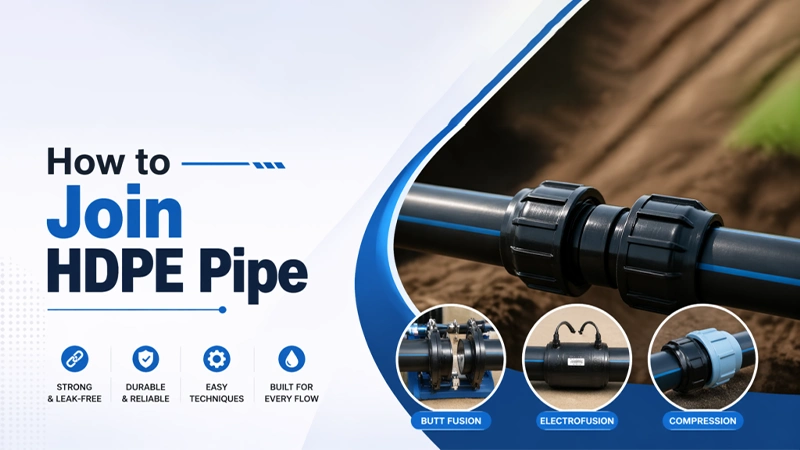
Ans: Common joining methods include butt fusion welding, electrofusion welding, compression fittings, and mechanical couplings for secure leak-proof connections.