
Ans: MDPE pipes are widely used for water supply systems, irrigation networks, and gas distribution pipelines.
MDPE Pipes & Fittings: Selection and Compatibility Tips for Longevity
MDPE (Medium Density Polyethylene) is commonly used for modern plumbing, irrigation, and water distribution systems due to their durability, flexibility, and resistance to corrosion. MDPE products are lightweight, easier to install than traditional metal pipes, and have the ability to withstand a variety of pressures.
As a result, MDPE products are well-suited for underground pipelines and long-term infrastructure projects. However, the performance and life of any piping system depends upon selecting the correct specifications for the pipe as well as ensuring compatibility with the fittings.
A knowledge of how MDPE pipes and fittings work in conjunction will assist with reducing leakage, increasing efficiency, and providing a reliable performance in residential, commercial and industrial applications.
What Are MDPE Pipes and Fittings?
MDPE (medium-density polyethylene) pipe is made from polyethylene which is known to provide a good balance of strength and flexibility. This means that the pipe can handle changing pressures, ground movement, and harsh weather without breaking or corroding. MDPE is therefore widely used for buried water supply systems, agricultural irrigation systems, and for pipe distribution of natural gas.
The fittings used in the MDPE pipe system are also important for the overall performance of the system. If properly specified and installed, both the pipe and fittings can provide an effective delivery of fluid over an extended period of time. If fittings are not properly specified for the pipe or not installed correctly, even the highest quality pipe may fail or develop leaks.
Types of commonly used MDPE fittings include:
- Couplers: Used to connect two sections of pipe together.
- Elbows: Used to change the direction of flow of the fluid within the pipeline.
- Tees: Used to allow the branch connections in the system.
- Reducers: Used to connect two different sized pipes together.
- End Caps: Used to seal off the end of the pipeline when sealing is needed.
By providing MDPE pipes and fittings, a flexible and durable pipeline system that can withstand difficult operating conditions (due to their durable characteristics) is created. MDPE pipe and fittings also have the ability to resist corrosion and chemical attack (so they can be used where they will not degrade over the life of the installation).
See why skilled MDPE pipe fitters are important for proper installation.
Key Factors to Consider When Selecting MDPE Pipes
The selection of the appropriate MDPE pipe is critical to maintaining the efficiency and safety of the entire pipe system on an ongoing basis. There are many technical parameters that need to be taken into consideration before determining what type of pipe to use in a given project.
Of these factors, pressure rating is one of the most important. MDPE pipe comes in a variety of pressure classes (PN6, PN10 and PN16). Pressure classification indicates the maximum pressure that can safely be sustained by a pipe during the course of normal operation.
Another important selection factor is pipe diameter. Pipe diameter is the primary determinant of how much fluid can pass through a particular length of pipeline. The larger the diameter of the pipe, the higher the flow rate.
In addition to pressure rating and pipe diameter, there are other important factors related to the selection of pipes. These include the following:
Wall thickness: The thicker the wall, the more robust and pressure-resistant the pipe.
Application type: Pipes intended for use in irrigation may have different needs than those intended for use in the distribution of potable (drinking) water.
Environmental Conditions: Conditions relating to soil types, sub-surface pressures and exposure to sunlight have an impact on pipe performance.
Compliance with Standards: Pipes must always comply with recognized standards relative to quality and manufacturing processes to ensure safety and durability.
Read the complete MDPE pipes guide to understand their uses and benefits.
Compatibility Between MDPE Pipes and Fittings
For the development of an effective pipe system that is free from leaks, it is important that the MDPE pipes and MDPE fittings be compatible. Incompatibility will lead to pipeline failure even when the best pipes are utilized.
The following are examples of some commonly used MDPE fittings:
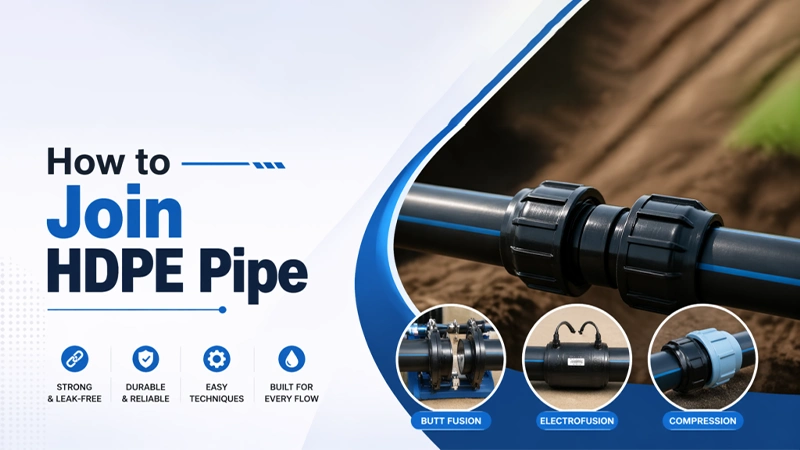
Compression Connectors: Typically easy to install and commonly used with smaller MDPE piping systems; Used with a wide range of working pressures.
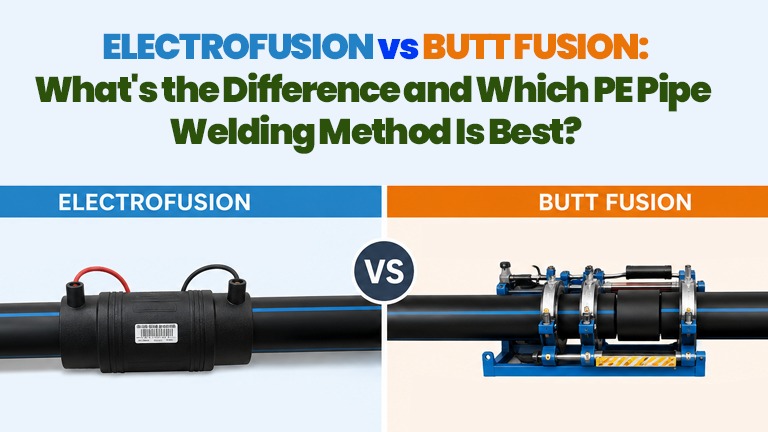
Electrofusion Connectors: Use a heating element to melt and join the pipe and fitting.
Butt Fusion Connectors: Used to create a permanent joint by melting and joining the two ends of the pipe.
The following should always be considered when attempting to ensure that the MDPE pipes and MDPE fittings are compatible and when building an MDPE pipeline system:
Size: The pipe and the fitting must match the required size precisely.
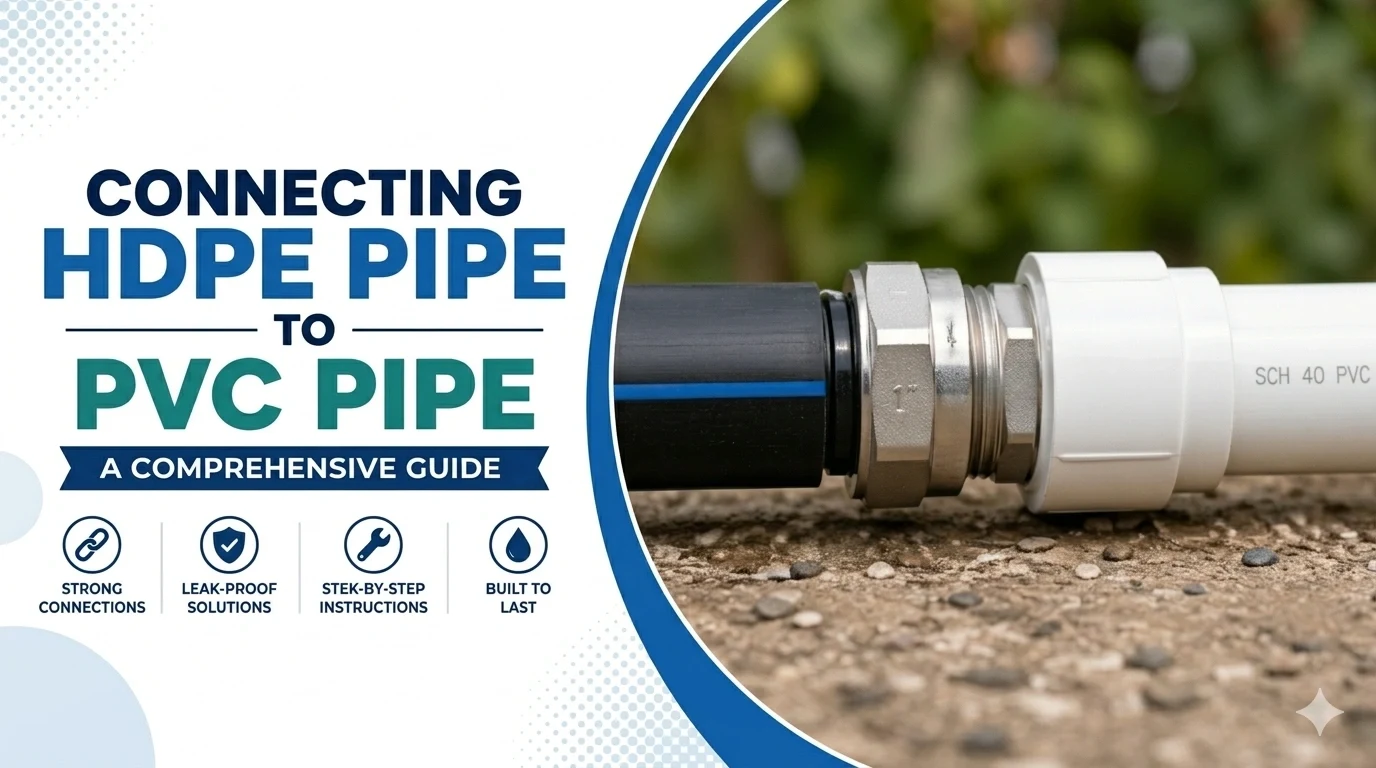
Materials: The materials used for the pipe and necessitated fittings must be compatible with the MDPE pipe.
Pressure: The pressure rating of the MDPE pipe and fitting must be compatible.
Installation: Installation must be accomplished in accordance with the manufacturer’s instructions.
To significantly minimize the chance of MDPE pipe and MDPE fitting compatibility problems. There are numerous high-quality MDPE fittings sources and an array of MDPE pipe manufacturers who offer MDPE pipe and fitting compatibility solutions like goflo.
Best Practices to Ensure Long-Term Performance and Durability
Proper installation and maintenance of an MDPE pipe system will have a positive impact on the life of the system, even if both the pipes and fittings have been made from high-quality materials. Proper installation and maintenance will also help the MDPE pipe system avoid problems related to pipeline failures.
During installation, special attention should be given to the method of jointing the pipes and the alignment of the pipe sections. Poorly made joints are one of the leading causes of pipeline leaks.For long-term performance, MDPE Pipe Solution is often recommended.
Some examples of best practice in regards to MDPE pipe system installation are:
- Inspect both pipes and fittings prior to installation.
- Utilize the correct method of jointing for the system.
- Do not bend pipes beyond their rated capacity.
- Do not place pipes in a trench without preparing the trench for the MDPE pipe.
Conduct pressure testing after installation.
In addition to the benefits of proper installation and maintenance, the regular inspection and maintenance of a sustainable pipeline system will allow for the detection of minor problems prior to their development into a major problem.
You can also read about MDPE pipes for safe drinking water here.
Conclusion
Modern piping, whether for water distribution, irrigation, or gas pipeline applications, uses MDPE pipes and fittings. The flexibility of MDPE pipes and fittings, along with their corrosion resistance and durability, make MDPE pipes and fittings ideal solutions for both residential and large-scale infrastructure projects.
Long-term performance of an MDPE piping system is determined by more than simply selecting the material; other factors include selecting the correct type of pipe, ensuring that the fittings are compatible with the pipes, and utilizing correct installation practices.
Other factors that must be considered in order to reduce the risk of causing operational problems with MDPE piping systems are the pressure ratings of pipes, the diameter of pipes, and the environmental conditions in which the MDPE piping system will be installed.
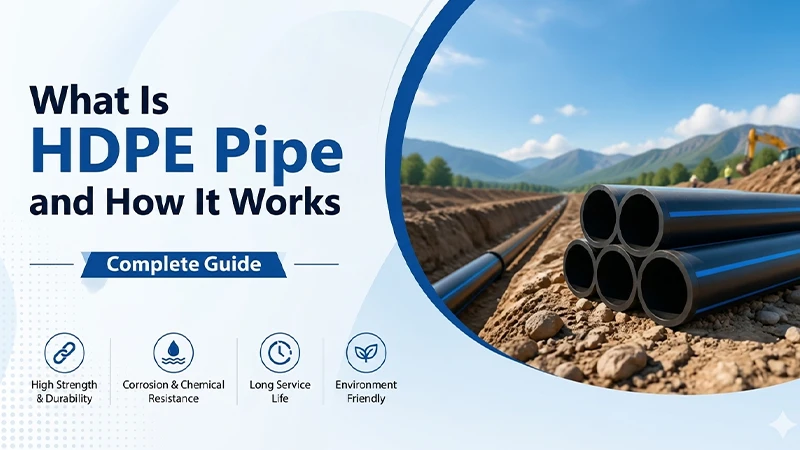
Find out is MDPE better than HDPE in this detailed comparison guide.
FAQs
Q: What are MDPE pipes commonly used for?
Q: How long do MDPE pipes typically last?
Ans: When installed properly and used under suitable conditions, MDPE pipes can last 40–50 years or even longer.
Q: Are MDPE pipes resistant to corrosion?
Ans: Yes, MDPE pipes are highly resistant to corrosion and chemical reactions, making them suitable for underground installations.
Q: What fittings are compatible with MDPE pipes?
Ans: Compression fittings, electrofusion fittings, butt fusion fittings, elbows, tees, and couplers are commonly used with MDPE pipes.