Drip Irrigation System: Smart Farming, Less Water Wastage & Better Crop Growth!

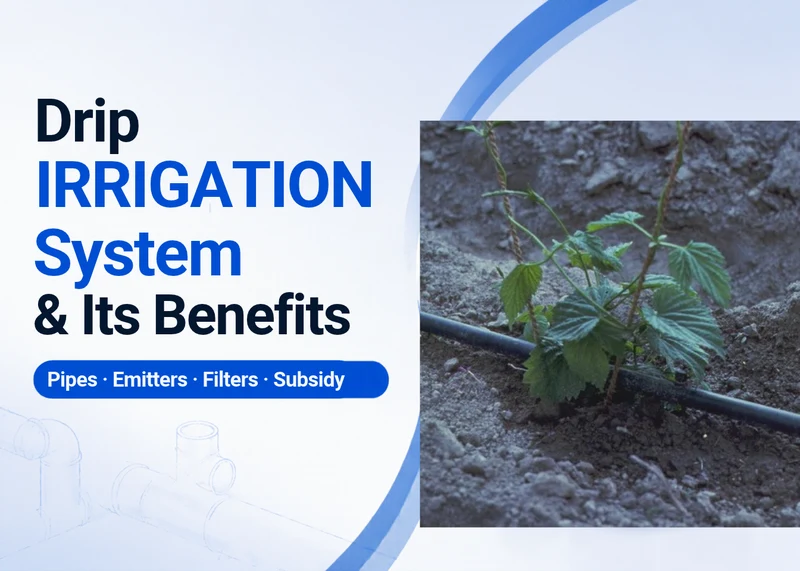
Watering crops the old-fashioned way is a bit of a waste, really. Why flood the whole field when the plants only really need the water in the immediate vicinity of their roots? That’s where a Drip Irrigation System comes in. It’s a far more efficient method of irrigation and delivers the water in a very precise manner (drop by drop) directly to the plant roots. This allows the farmer to save water, save labour and manage their crops far more effectively.
What Is a Drip Irrigation System?
A drip irrigation system (also known as drip irrigation or trickle irrigation) is a form of micro-irrigation in which water is delivered slowly and directly to the root zone of the plant via pipes, tubes and emitters.
Rather than having a pipe running right across the whole field, a drip pipe will deliver the water in very small quantities right down to the base of the plant. This will reduce the amount of water lost through evaporation and surface runoff and will keep the soil moist exactly where the crop needs it.
How Does Drip Irrigation Work?
The working process of a Drip Irrigation System is simple but effective:
- Water supply: water is drawn from a source such as a tank, borewell or reservoir.
- Filtration: the filters remove the dirt and all the other particulates to prevent clogging.
- Water distribution: the main pipes and sub-main pipes carry the filtered water across the field.
- Drip delivery: a drip irrigation pipe with water delivered via small emitters right at the plant roots.
- Controlled irrigation: each plant gets its water according to its needs.
Drip Irrigation System Components:
Every efficient drip farming system will require the right kit of components to work in conjunction with one another.
1. Filters
Filters remove sand, dust and all sorts of other impurities from the water and so help to prevent blockages in the drip lines and emitters.
Common types of filters include: Hydrocyclone Filters, Sand or Media Filters, Disc Filters, Screen Filters
2. Mainline and Sub-main Pipes
These pipes take the water from the source and deliver it to various parts of the field.
3. Drip Irrigation Pipe
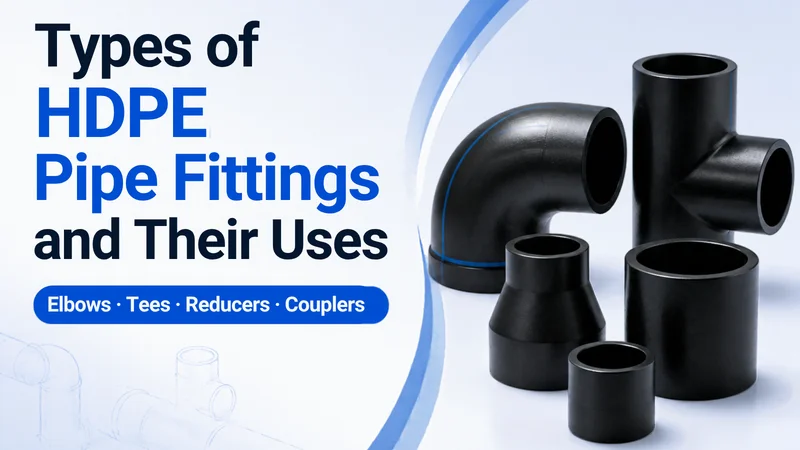
The drip irrigation pipe delivers the water right up to the plant. It’s generally a fairly tough plastic pipe and is designed to deliver the water in a very controlled way. Pipe made up of polyethylene (PE)
4. Emitters or Drippers
Emitters release water very slowly right at the plant roots, to keep the field moist without flooding it. Common options include pressure-compensating and non-pressure-compensating emitters
5. Valves and Pressure Regulators
These components regulate the flow and pressure of the water, keeping the system running smoothly.
6. Fertigation Unit
A fertigation unit will mix the correct fertiliser into the irrigation water and therefore deliver the nutrients directly to the root zone.
7. Backflow Preventer
It helps stop irrigation water, fertilizers and other contaminants from flowing backward into the main water source.
Types of Drip Irrigation Systems
Different crops and different field conditions will call for different irrigation arrangements.
1. Surface Drip Irrigation
In this method, the drip pipes are laid on the soil surface adjacent to the plant rows. It’s used extensively with vegetables, fruit and other row crops.
2. Subsurface Drip Irrigation
Here, drip lines are installed below the soil surface to deliver the water directly into the root zone. This serves to minimise surface evaporation and keeps the irrigation lines out of the way.
3. Micro Drip Irrigation System
A micro drip irrigation system uses small emitters and micro-tubes to deliver a very precise amount of water to each individual plant. Perfect for use in an orchard, a nursery, a garden or for any crop that has a particular watering requirement.
Other Drip Irrigation Methods
- Porous Soaker Hose: Releases water slowly through tiny pores along the hose.
- Emitter Drip: Delivers water directly to plant roots through individual drippers.
- Watermatic System: Uses a controlled water-delivery setup for irrigation.
- Micro-Misting Sprinklers: Spray fine water droplets over a small area.
The right system will be dependent on crop spacing, soil type, water availability and farm layout.
Benefits of Drip Irrigation
Why are farmers increasingly going for drip? It’s because it is a far smarter and far more efficient way of managing water.
- Saves water: direct root zone watering minimises water loss.
- Improves crop growth: consistent soil moisture will obviously lead to better crop growth.
- Controls weed growth: dry spaces between the crop rows will discourage weed growth.
- Reduces labour: automated irrigation will reduce the amount of manual watering required.
- Supports fertiliser efficiency: fertigation helps to deliver the nutrients directly to the plant root zone. Reduces waterlogging through controlled application of water.
- Saves energy: a properly designed system can run at fairly low pressure.
Basically, drip farming allows the farmer to manage the water, the labour and the crop nutrition without the entire field ending up with an unwanted swimming pool!
Drip Irrigation System Subsidy: Government Support That Makes Every Drop Count!
Installing a drip system is a big initial outlay, though there may be some Government assistance available to help make it more affordable for the farmer.
Under PMKSY (Pradhan Mantri Krishi Sinchayee Yojana) micro-irrigation is being promoted as a way of promoting more efficient use of water. The subsidy rates and eligibility criteria will be as per the applicable scheme guidelines and the rules of the respective states.
Farmers can:
- Contact their state’s Agriculture or Horticulture Department.
- Check the official State Government Agriculture website for eligibility
- Just submit the required land, Aadhaar, and bank documents and go for the application form submission process.
- Simply go through the prescribed application inspection and approval process before installation.
Important: Don’t go ahead and install the system on the basis that subsidy approval is automatic. You must check the most up-to-date state-specific guidelines prior to buying or installing any equipment.
Factors to Consider Before Installing a Drip Irrigation System
- Soil Type: Sandy soil needs frequent watering, while clay soil retains moisture longer.
- Crop Type & Spacing: Select dripper spacing and flow rate according to crop needs.
- Water Quality: Use proper filtration to prevent sand, algae and minerals from clogging emitters.
- Water Pressure: Ensure the pump provides sufficient pressure for uniform water distribution.
- Farm Layout: Consider field size, slope and crop spacing when planning the pipe network.
Drip Irrigation Maintenance:
Even the very best drip irrigation system is going to require some level of maintenance. A little bit of maintenance will go a long way to prevent the problem of uneven watering and the resultant cost of having to do unnecessary repairs.
- Just clean the filters regularly – get the dirt and sediment knocked off.
- Flush the drip pipes periodically by opening the line ends to remove the deposited particles.
- Check the emitters for blockages and for an uneven discharge of water.
- Check the connections: repair any leaks and loose fittings.
- Monitor water pressure and keep it at the level specified for the system.
Remember, clogged emitters mean thirsty plants and thirsty plants don’t really like surprises!
Final Thoughts:
A Drip Irrigation System is a very practical water management solution for the farmer who wants to get the most out of their water and grow a good crop. You can go from simple drip pipes right through to the more advanced micro drip irrigation systems. It’s a system that will help you to farm more efficiently.
Smart farming isn’t about using more water; it’s about using every drop of water we have very wisely!
Frequently Asked Questions
1. What Is a Drip Irrigation System?
A Drip Irrigation System is a form of micro-irrigation in which water is delivered slowly and directly to the plant root zone via pipes and emitters.
2. What Are the Main Benefits of Drip Irrigation?
The main benefits of drip irrigation are water savings, reduced weed growth, improved moisture control, less labour and efficient application of fertiliser.
3. Which Crops Are Suitable for Drip Farming?
Drip farming is appropriate for vegetables, fruit, flowers, cotton, sugarcane and plantation crops.
4. What Is a Micro Drip Irrigation System?
A micro drip irrigation system uses very small pipes and emitters to deliver small quantities of water directly to the plant. It’s used in orchards, nurseries, gardens and in the growing of specialist crops.
5. Is a Drip Irrigation System Eligible for Government Subsidy in India?
Yes, eligible farmers may receive financial assistance for installing a Drip Irrigation System under applicable government micro-irrigation schemes, including PMKSY. Subsidy rates and eligibility conditions vary by state and farmer category.
6 Does drip irrigation allow correct amount of water to be used in root?
Yes, it is very water efficient and it allows you to apply the correct amount of water to the root zone of the plant.